Saturday, November 14, 2015

American Cookery by Amelia Simmons


American Cookery
By Anna Kathryn Lanier

I love cookbooks and probably have more than I should, but that doesn’t stop me from looking for more.  One book I found recently in an antique store is: AMERICAN COOKERY by Amelia Simmons.  The copy I found was printed in 1969.  Amanda’s original cookbook was printed in 1769. At the time, “it was the first American cookbook to be printed in the United States.  The original volume contained 48 pages of solid type. It was bound in paper and sold very well at 2 shillings 3 pence a copy.”

According to the forward, “the recipes or the volume were gathered from Continental Europe and England, adapted to ingredients generally available in the United States at the time.  Some, however were distinctly American, such as “pompkin pie,” cramberry sauce,” and “Indian flapjacks.”  Amelia also included household hints, such as “how to keep peas green till Christmas.”

Amelia hired someone to help write her cookbook, because of what she felt were her own inadequacies.  However, the person she hired deliberately inserted errors of measurements to discredit Amelia.  Future printings corrected these mistakes.

In addition, Amanda's book uses the long ‘f’, even though at the time the round ‘s’ was replacing it. (and my reprint carried over the long f, as you will see in recipes below).  The original edition contained many errors of grammar, typography and speech; which to some degree the editors of the 1969 copy changed, but they left enough errors to leave the proper flavor of the original.

While this book was written before the Western Movement began, it is more than likely that one or two copies made the journey overland, tucked safely in a trunk.

Here's what the full title of the book is:

I hope you enjoy the small selection of recipes I've chosen from the dozens Amelia Simmons wrote down for us.

Pompkin: No. 1 One quart stewed and strained, 3 pints cream, 9 beaten eggs, sugar mace, nutmeg and ginger, laid into pafte (paste) No. 7 or 3 and with dough spur, crofs (cross) and chequer it. Baked in difhes (dishes) three quarters of an hour.

No. 2 One quart milk, 1 pint pumpkin, 4 eggs, Molaffes, allfpice and ginger in crust, bake 1 hour.

Paste:  No. 3 To any quantity of flour, rub in three fourths of its weight to butter, (twelve eggs to a peck) rub in one third or half and roll in the rest.

No. 7. Rub one third of one pound of butter and one pound of lard into two pound of flour, wet with four whites well beaten; water q:s: to make a paste roll in residue of shortening in ten or twelve rollings – bake quick.

Cramberries: Stewed, strained and sweetened, put into paste No. 9, and bake gently.

Royal Pafte         No. 9 Rub half a pound of butter into one pound of flour, four whites beat to a foam, add two yolks, two ounces of fine sugar; roll often, rubbing one third and rolling two thirds of the better is beft; excellent for tarts and apple pies.

To Alamode a Round: Take fat pork cut in slices or mince, season it with pepper, salt, sweet marjoram and thyme, cloves, mace and nutmeg, make holes in the beef and stuff it the night before cooked; put some bones across the bottom of the pot to keep from burning, put in one quart Claret wine, one quart water and onion; lay the round on the bones, cover close and stop it round the top with dough; hang on in the morning and stew gently two hours; turn it, stop tight and stew two hours more, when done tender, grate a crust of bread on the top and brown it before the fire; scum the gravy and serve in a butter boat, serve it with the residue of the gravy in the dish.


To Make the Best Bacon: To each ham put one ounce saltpeter, one pint bay salt, one pint molasses, shake together 6 to 8 weeks or when a large quantity is together, baste them with the liquor every day; when taken out to dry, smoke three weeks with cobs or malt fumes. To every ham may be added a cheek, if you stow away a barrel and not alter the composition, some add shoulder. For transportation or exportation double the period of smoking.

Apple Pie: Stew and strain the apples, to every three pints grate the peal of a fresh lemon, add cinnamon, mace, rosewater and sugar to your taste – bake in paste No. 3.
                Every species of fruit such as peas, plums, raspberries, black berries may be only sweetened, without spices – and baked in paste No. 3.

Anna Kathryn Lanier
Salvation Bride

Thursday, November 12, 2015

This Means War: the Devil’s Rope Comes to Texas

http://kathleenriceadams.com/

I’m going to leave old Texas now.
They’ve got no use for the longhorn cow.
They’ve plowed and fenced my cattle range,
And the people there are all so strange.

                                     —from "The Cowman's Lament"
                                               (Texas folksong, origin obscure)
The Fall of the Cowboy, Frederic Remington, 1895 (Amon Carter Museum, Fort Worth, Texas)
In the late 1860s and early 1870s, Texas saw a massive influx of former Confederates dispossessed by the Civil War and seeking a place to start over. Texas seemed like a good spot: The state offered plenty of open range and brimmed with feral cattle called longhorns. Many a man with nothing more than guts and grit built a fortune and a legacy by shagging longhorns from deep scrub and driving the tough, stubborn, nasty-tempered critters north to the railheads in Kansas and Nebraska. Others pushed herds to Montana and Wyoming to begin new lives where the West was even wilder.

Between 1866 and 1890, cowboys drove an estimated twelve million longhorns and one million horses north. A crew of twelve to twenty men could push a herd of 2,000 to 3,000 beeves about ten to fifteen miles a day, reaching Kansas railheads in three to four months.

(Photo by Darius Norvilas. Used with permission.)
The development of barbed wire in the mid-1870s — along with an incursion of sheepmen and farmers — put a crimp in the cattle drives by crisscrossing Texas’s wide-open spaces with miles and miles and miles of fence. To protect themselves and their herds from the yahoos who would use Texas range for something besides Texas cattle, wealthy ranchers strung wire around the land they owned or leased, often extending their fences across public land, as well. What once had been open range across which cowboys drove enormous herds of steak on the hoof became parceled off, causing no end of frustration and unfriendly behavior.

Fence-cutting began almost as soon as the first of the wire went up. Small confrontations over “the Devil’s rope” happened frequently, with wire-nipping taking place in more than half of Texas counties.

In 1883, the conflict turned deadly. Instead of merely cutting fences that got in the way during trail drives, bands of armed cowboy vigilantes calling themselves names like Owls, Javelinas, and Blue Devils destroyed fences simply because the fences existed. Fence-cutting raids usually occurred at night, and often the vigilantes left messages warning the fence’s owner not to rebuild. Some went so far as to leave coffins nailed to fenceposts or on ranchers’ porches. During one sortie, vigilantes cut nineteen miles of fence, piled the wire on a stack of cedar posts, and lit a $6,000 bonfire.

In response, cattlemen hired armed men to guard their wire…with predictable results. Clashes became more violent, more frequent, and bloodier. In 1883 alone, at least three men were killed in Brown County, a hotspot of fence-cutting activity, during what came to be known as the Texas Fence-Cutter War.

The bloodiest period of the Fence-Cutter War lasted for only about a year, but in that period damages from fence-cutting and range fires totaled an estimated $20 million — $1 million in Brown County alone.

Although politicians stayed well away from the hot-button issue for about a decade, in early 1884 the Texas legislature declared fence-cutting a felony punishable by a prison term of one to five years. The following year, the U.S. Congress outlawed stringing fence across public land. Together, the new laws ended the worst of the clashes, although the occasional fracas broke out in the far western portion of Texas into the early part of the 20th Century.

Texas Ranger Ira Aten, courtesy
University of North Texas Libraries'
The Portal to Texas History
The Texas Rangers were assigned to stop several fence-cutting outbreaks, and being the Texas Rangers, they proved remarkably effective…with one notable exception. In February 1885, Texas Ranger Ben Warren was shot and killed outside Sweetwater, Texas, while trying to serve a warrant for three suspected fence-cutters. Two of the three were convicted of Warren’s murder and sentenced to life in prison.

In 1888, a brief resurgence of fence-cutting violence erupted in Navarro County, prompting famed Texas Ranger Ira Aten to place dynamite charges at intervals along one fence line. Aten’s method was a mite too extreme for the Texas Adjutant General, who ordered the dynamite removed. The mere rumor of the explosive’s presence brought fence-cutting to a rapid halt in the area, though.


In my novel Prodigal Gun, a barbed-wire fence touches off a war in the Texas Hill Country, bringing an infamous gunman home to Texas for the first time since he left to fight for the Confederacy sixteen years earlier. Prodigal Gun is one of four full-length novels that compose A Cowboy's Touch, a boxed set of spicy stories about loves as big as Texas. Livia J. Washburn, Cheryl Pierson, and Kit Prate also contributed. The set is 99 cents at Amazon or FREE for Kindle Unlimited subscribers.


I'll gift a copy of A Cowboy's Touch to one of today's commenters who answers this question: In post-Civil-War Texas, would you have been for or against fencing?


Tuesday, November 10, 2015

SARAH HORTON COCKRELL, DALLAS' FIRST CAPITALIST


Sarah Horton Cockrell was a prominent business woman in Dallas, Texas as well as a wife, mother and daughter. For over four decades she played a pivotal roll in the development of the young town. 


She was born in Virginia to Enoch and Martha Horton on January 13, 1819. In her early twenties, she moved to Dallas and, with her family, was among the earliest pioneers to come to Dallas County in 1844. On September 9, 1847, Sarah married businessman, Alexander Cockrell. They lived in a tent on Mountain Creek until they were able to purchase a headright along the Trinity River, the last remaining townsite in Dallas, from John Neely Bryan.


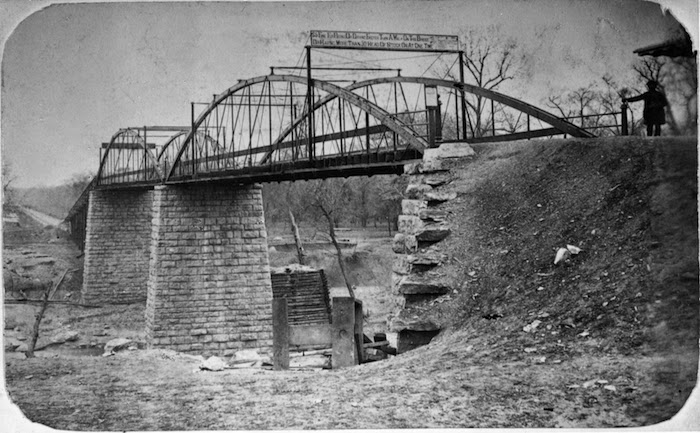
Sarah and Alexander had many business ventures which included brickmaking, construction, real estate, operating a sawmill and running the Trinity River ferry service, a part of the Bryan acquisition.  In 1855, she and her husband built a wooden bridge across the Trinity, but it collapsed due to flooding in 1858 after Alexander's death. Subsequently, she took over the family businesses with assistance from her son and son-in-law.

She continued to expand the business to establish her family as one of the more eminent in Dallas. Her enterprises spanned various industries including flour milling and multiple real estate ventures, and in 1870, Sarah formed the Dallas Bridge Company. It was at this time she constructed an iron suspension bridge over the Trinity River. This bridge is, perhaps, the most significant contribution to the development of Dallas.


In 1884, Sarah opened the Sarah Cockrell Addition, a private residential subdivision and the following year she constructed a three story office building. The First Methodist Church counts her as a founding member. Along with her sons, Sarah Cockrell owned an estimated twenty-five percent of downtown Dallas plus her other landholdings in Houston, Cleburne and Mineral Wells. She is often commended for being able to to profit in business, while maintaining the respect of society. When she died in 1892, her properties were so extensive that her will had to be published in pamphlet form.

Sarah Horton Cockrell will definitely be remembered as Dallas's first capitalist.

Wishing you a Happy Thanksgiving,
Carra

Sunday, November 8, 2015

LOVE'S FIRST TOUCH--a Western Romance Boxed Set


 By Celia Yeary

http://www.amazon.com/gp/product/B0170WDRFK?keywords=celia%20yeary&qid=1446990712&ref_=sr_1_1&s=books&sr=1-1
I was pleased as could be when Publisher Cheryl Pierson told me one of my books would be featured in a boxed set.  A boxed set? I so wanted to be in a boxed set, and now...here I am with four other authors I know and admire.

Could it get much better than that? Yes, because these stories will keep you entertained in a special way. Each story revolves around the first touch between a man and a woman. The "touch" may be holding a hand, or a sweet kiss under a tree, or a childhood connection that grew to maturity, or a brief involvement to be fulfilled later, or maybe avoiding a touch...for a while.

LOVE’S FIRST TOUCH-
Boxed Set of Five Novels of First Love From the Past is powerful and sweet. It can move the heart to realize the true depth of emotion that only a first love can bring to a relationship. There’s some exciting reading ahead in these five full-length novels! Come join these wonderful characters as they experience awakening feelings and tumultuous relationships that can only be discovered with LOVE’S FIRST TOUCH!

WISH FOR THE MOON by Celia Yeary—Sixteen-year-old Annie McGinnis wishes for a chance to see more of the world, since all she’s ever known is the family farm in North Texas. The arrival of a mysterious visitor, Max Landry, changes everything for Annie. To save him from a bogus charge, she follows him and the Texas Rangers back to the coal-mining town where a murder occurred. The short journey sets Annie on a path of discovery—new horizons, an inner strength, and quite possibly…love.

FLY AWAY HEART by Sarah J. McNeal
—Lilith Wilding can’t remember a time when she didn’t love the English born Robin Pierpont. Robin dreams of flying airplanes, but when he gets involved in illegal rum running to help a friend, he faces his worst fears. Can he save Lilith’s life? Or will his fate be sealed in death?

DOUBLE OR NOTHING by Meg Mims— Lily Granville, heiress, rebels against her uncle’s rules. Ace Diamond, determined to win Lily, invests in a dynamite factory. An explosion in San Francisco, mere hours before Lily and Ace elope, sets off a chain of consequences. Ace is framed for murder, and Lily must find proof to save him from a hangman’s noose. Will she become a widow before a true wife?

DRINA’S CHOICE by Agnes Alexander— To escape her abusive father, Drina Hamilton feels she has no choice but to become the wife of a rancher she only knows from the one letter his uncle has written her. To redeem the mortgage on his ranch, Aaron Wilcox must marry the woman his uncle has chosen for him. As Drina and Aaron struggle with their situation, they are unaware there is a sinister plan at hand to murder Aaron, and force the sale of the huge ranch .

DIGGING HOLES IN PARADISE by Karen Mihaljevich—In 1859 Missouri, Josette Stratton discovers that a chance identity switch gives her an out from a marriage mandated by her father—and allows her to work as a seamstress. What luck! But when she arrives in Nevada City, naïve Josette is horrified to discover that “seamstress” is just another name for…Oh! Her fellow traveler, Wolf, doesn’t say much—and doesn’t seem to like her. Nevada’s Comstock Lode bonanza adds color and excitement to this fast-paced adventure, where plans crumble, love sizzles, and everyone is DIGGING HOLES IN PARADISE!
~~*~~*~~
The boxed set--Love's First Touch--can be found on Amazon under any of the five author's names--all for 99 cents. I know you'll enjoy these stories.
Celia Yeary-Romance...and a little bit 'o Texas

Thursday, November 5, 2015

50 BRIDES FOR 50 STATES!! A SERIES THAT'S HISTORY IN THE MAKING...AND READING!


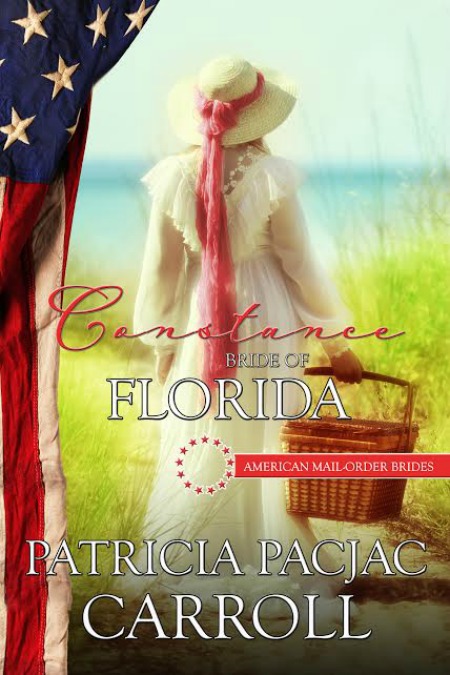
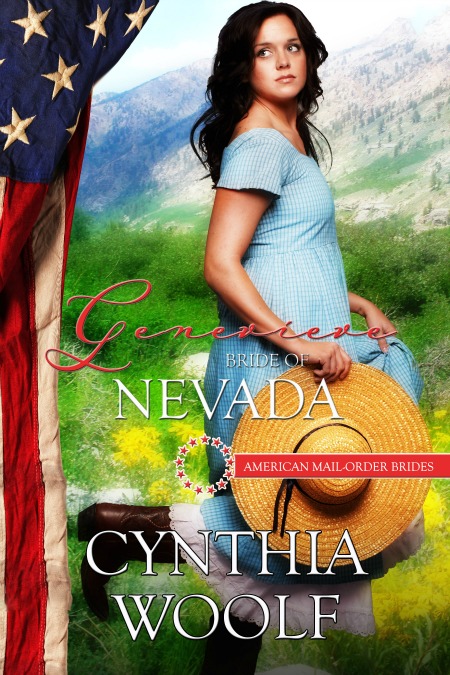
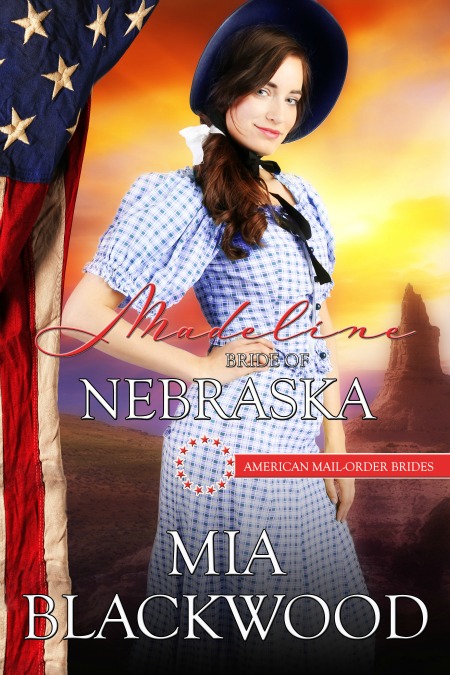
Did you hear the news?! Forty-five authors came together to write 50 mail-order bride stories taking place in all 50 states (although a few were territories at the time). I’m so proud and excited to be a part of this!!

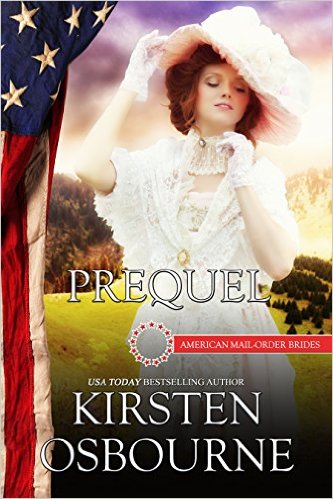
A common prequel is now available and will start each story. The year is 1890 and a textile mill in Massachusetts has burned to the ground leaving the women who worked there without employment or prospects. But hope springs eternal with an idea for many of the single women to become mail-order brides.
51t1pdSb0gL._SX331_BO1,204,203,200_

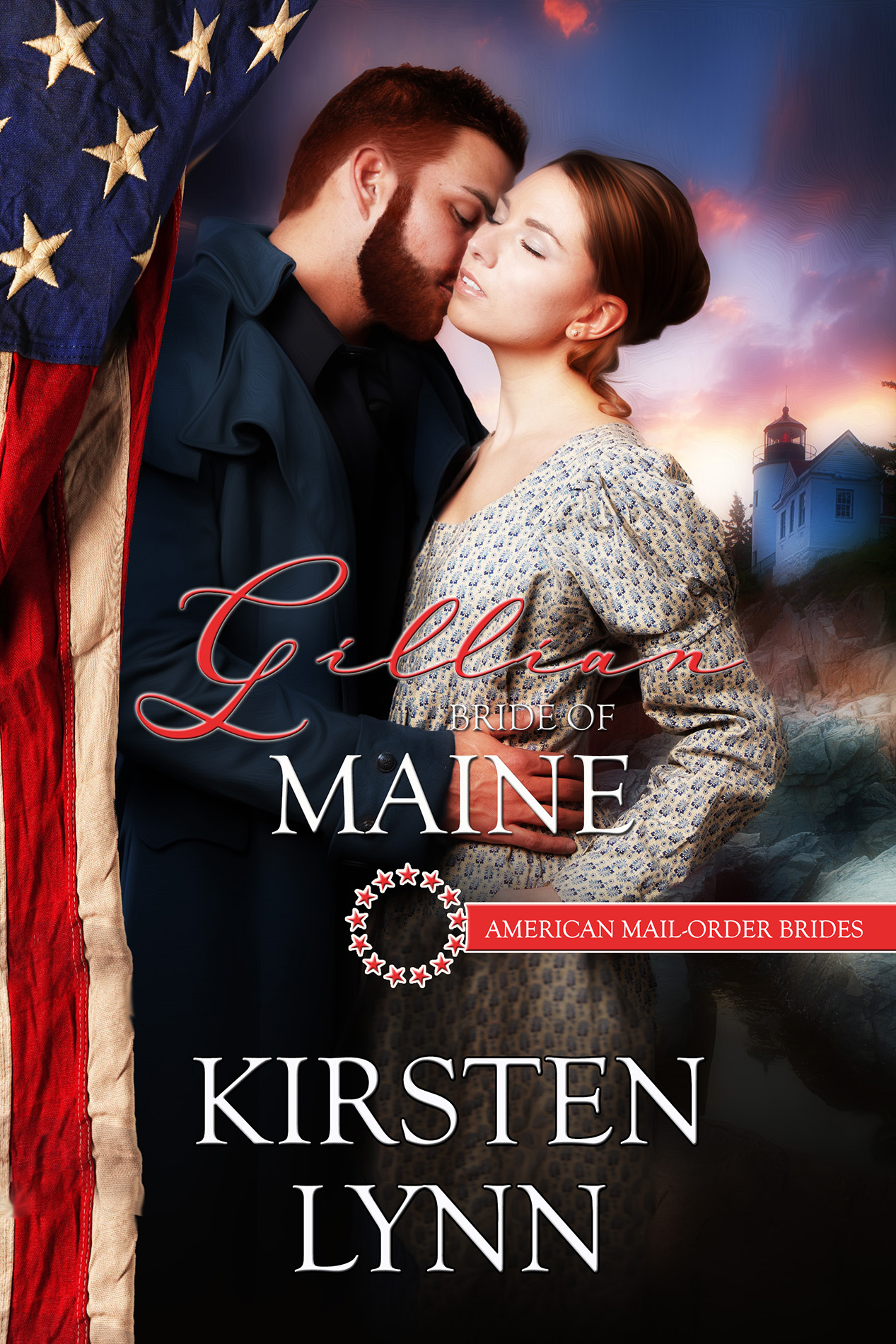
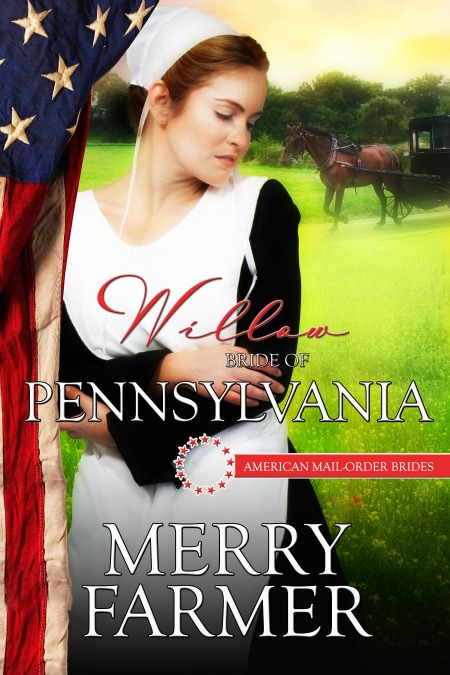
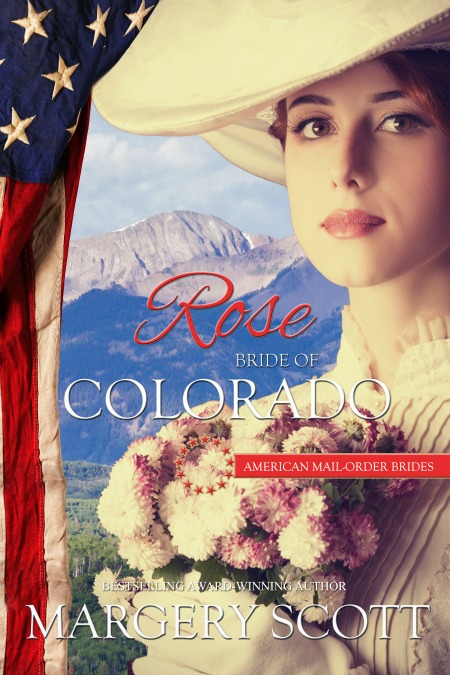
Another exciting aspect of this project was many of us joined together in correspondence groups linking the stories of two to four of the women together. So, watch for name dropping and letters in each story to guide you to the various linked tales. (Here are those books attached to Gillian's. We had the best group!)

Gillian,BrideofMaine_Nook-2Willow25-21
AMOBTemplate_00 Rose-Bride-of-Colorado    


When are the books released? The prequel is already FREE on Amazon! Starting NOVEMBER 19th there will be a book released EVERYDAY through January 7, 2016! Many of the stories are already up for pre-order! Check them out on: http://www.newwesternromance.com/!

Additionally, many of the authors will have their stories in KU!

Is there an order to read the stories?
After the prequel, there is no set order to the books. Read away and enjoy!

AliceBrideofRhodeIsland AMOB-mollie-cover-4 PatienceBrideofWashington VictoriaBrideofKansas-1


The heat level for all the stories is PG!


DarbyBrideofOregon-1 Florida-cover GenevieveBrideofNevada MadelineBrideofNebraskaFinal


There is also a Sooper Prize!

Beginning November 19th, readers may share the book of the day from the Facebook page and be entered into a Grand Prize drawing. At the end of the release period (January 7, 2016), a Kindle will be given away along with one ebook from each author’s list of books. So, on November 19th start sharing to win! NOTE: the books on the Kindle will not be the American Mail-Order Brides Series books.

To find out more about the series and to see all the gorgeous covers visit:
AMERICAN MAIL-ORDER BRIDE SERIES WEBSITE

Or join us on Facebook at:
AMERICAN MAIL-ORDER BRIDES SERIES

My story, GILLIAN: BRIDE OF MAINE will release December 11th! But it is up for Pre-Order right now!!  GILLIAN: BRIDE OF MAINE PRE-ORDER

Gillian Darrow fled her father’s house in Maine before he could put his evil plans into action. Now the actions of another unscrupulous man have left her without employment and few prospects. Following in the footsteps of other women from the factory, Gillian decides to become a mail-order bride. The advertisement from a lighthouse keeper in Maine catches her eye, and Rhys Chermont’s letters catch her heart. She hopes the lighthouse keeper can guide her home.

There’s only one problem…Rhys Chermont never posted an advertisement for a wife and never wrote any letters to Gillian Darrow.

The last thing Rhys Chermont wants is another wife. While life at Bass Harbor Head Lighthouse keeps Rhys busy, he has to admit it would be nice to have a helpmate. The solitary life of a lighthouse keeper drove his first wife into the arms of a wealthy shipbuilder and led to a scandalous divorce. Luckily, for Rhys other forces are at play during the Christmas of 1890, and in Gillian he just might find the light that leads him home.


 Kirsten Lynn is a Western and Military Historian. She worked six years with a Navy non-profit and continues to contract with the Marine Corps History Division for certain projects. Making her home where her roots were sewn in Wyoming, Kirsten also works as a local historian. She loves to use the history she has learned and add it to a great love story. She writes stories about men of uncommon valor...women with undaunted courage...love of unwavering devotion ...and romance with unending sizzle. When she's not writing, she finds inspiration in day trips through the Bighorn Mountains, binge reading and watching sappy old movies, or sappy new movies. Housework can always wait.

Monday, November 2, 2015

The Historic Cary House Hotel

By Paisley Kirkpatrick
Built in 1857, the Cary House Hotel still stands in Placerville, CA, and is still a functioning hotel. This jewel, built when the gold rush town was prospering, still treats its guests to an interesting night’s sleep. During the five years I worked in the Chablis Art Gallery located across the street from the hotel, I made friends with the manager, who graciously let me take photos inside and out, and meet one of the two most active resident ghosts. I found it interesting to learn that the hotel featured such luxuries as hot and cold running water (a novelty in its time), an elegant grand staircase, and a lobby handcrafted in mahogany and cherry woods.
Echoes from a colorful history still linger in the halls of this elegant place of lodging. Early days provided a regular stop for stage lines that brought travelers to the gold country. In some instances the stages returned to the San Francisco mint with millions of dollars in bullion. Its wrought-iron trimmed balcony not only added to its grace, but also lent a great space for Horace Greely to give a speech. The world-renowned “Hangtown Fry” (consisting of oysters and scrambled eggs) was created at the Cary House cook at the request of a miner who'd struck it rich in the nearby gold fields.
As I mentioned before, the hotel is inhabited by two ghosts. Stan is the ghost I tangled with. He lives mostly in the lobby of the hotel. In the gold rush heyday, he worked as the clerk at the check-in counter. He loved the place. He has stuck around all these years since his death. In the beginning of his employment, Stan checked patrons in and out of the Cary House. He had a great love of liquor, especially brandy and whiskey. When he wasn’t working, he would head down to Rivendell’s Book Store where he could socialize. Back then, the store was a great place to visit with fellow patrons, and to get a drink, especially on the cold damp days of winter. Stan would sneak out during his workday when no one was around, grab a drink, and hurry back to the hotel.
Stan loved women, but was ignored by them. He was a short, stocky man with reddish brown hair, balding on the top and not what most people would consider a 'ladies man'. Truth be known, he also liked men somewhat. He was not really in demand by either. So, he did his job, was polite until the alcohol took affect, loved gossip and checking people out, and was known to be a bit 'mouthy' and insulting. Apparently he made a pass at a man, the fellow stabbed him twice, and Stan fell down the stairs to his death.
My encounter with Stan happened the day I wanted to go upstairs by riding on the elevator. It's kept inside a room not much bigger than a closet. The wrought-iron door wouldn’t open. I tried, but to no avail. So did the manager. It was no big deal as the staircase was grand and fun to walk up to the second and third floors. I was disappointed because it looked like a fun ride. However, on the way back down to the lobby the door opened and worked perfectly.
Maybe old Stan was so happy to see me leave the hotel that he gladly let me take the ride. Some of the patrons have said they've seen their doorknobs turn when they retire for the night. Some believe Stan checks the door to each room with a lady guest just to make sure they are safely locked inside their rooms.
A television show that traveled around the country doing spots on the most haunted buildings did a twenty minute show on the ghosts in residence at Cary House. I took many photos the day I encountered Stan. I used the hotel in my Paradise Pines Series: Night Angel. Having the pictures reminded me of its elegance and made it easy for me to add the building as a large part of my story. The hero, Declan Grainger, was the hotel owner and since he was a Scot, he named it Chaumers Hotel, which means a house with many bedrooms.
Lily Fox craves attention. Her amazing voice and ability to mesmerize the miners and lumberjacks in a mountain community saloon brings her more than the notoriety she needs. She draws the attention of the town's hotel owner. If she plays her cards close to her chest and becomes his queen of hearts, the wealthy Scot could give her more than she dreamed.
The day Lily Fox sauntered into his hotel with the poise of a self-assured woman, Declan Grainger knew trouble wasn't far behind. Stealing his heart was only the beginning...
Declan realizes that underneath Lily's flamboyant behavior is a frightened, insecure woman searching for stability and a proper place in society.
Declan aches for Lily's love. He can't ask for her heart without revealing his secret life. If he unmasked himself as Paradise Pines' allusive Night Angel, how would she react?
Link: http://amzn.com/1612527957