
 By Lyn Horner The Concho River was named after mussels found in the river and lakes surrounding the town of San Angelo in west Texas. Called “Concha” by early Spanish explorers, the large gray mussels produce “Concho Pearls” in purple, lavender, pink and orange. The Spanish were enthralled by the lustrous pearls and enlisted local Indians to help harvest them. There may even be Concho Pearls in the Spanish Crown Jewels. Centuries later, Fort Concho was also named after the mussels, or more likely the river. The fort was established as a frontier U.S. Army post in 1867, with five companies of the Fourth Cavalry commanded by Col. John P. Hatch. Situated beside the North Concho River, the fort replaced the earlier Fort Chadbourne north of San Angelo. Although built on flat, treeless prairie, Concho was described as “one of the most beautiful and best ordered posts in Texas.”
 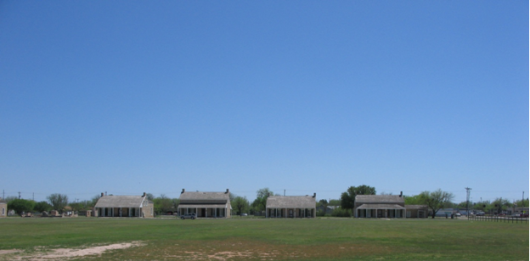 The fort was vital to settlement because five major trails crossed the area. An active post for twenty-two years, Fort Concho protected settlers, stagecoaches, wagon trains and the United States mail, and kept trade routes open. The Army launched campaigns against the Comanche and Kiowa from Fort Concho, as well as actions against the Comancheros who traded illegally with the Indians. Pecan wood was first tried as a building material for the fort, but it proved too hard to work with. Next, the soldiers tried adobe bricks but they didn’t know how to properly make adobe. Consequently, when heavy rain came, it dissolved the bricks. Finally, it was decided to build the fort out of native limestone, and the Army hired German stonemasons from Fredericksburg, in the Texas Hill Country to the south. Construction went on throughout the fort’s active period and was never completed. Today Fort Concho is a National Historic Landmark owned and operated since 1935 by the city of San Angelo. Over time several buildings have crumbled into ruins, but the remaining buildings are repaired and preserved by the city, assisted by the Fort Concho Foundation. While attending a conference in San Angelo several years ago, my husband and I visited Fort Concho and snapped a number of photos. Below are the best of the bunch. Unfortunately, I neglected to add captions after hubby loaded the pics to our old computer, and now I can’t recall what all the buildings are. I’ve labeled the ones I know. For more historical information and photos from the fort’s active period, visit http://www.fortconcho.com/index.htm
Officers Row 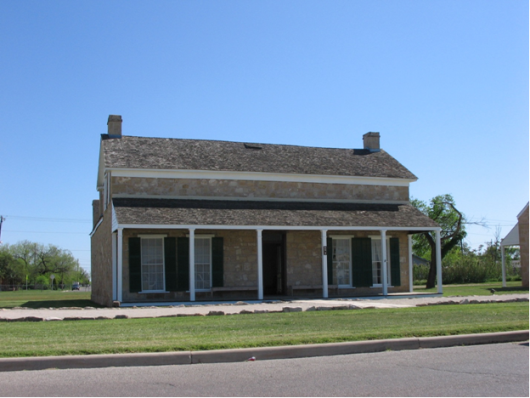

Officer’s Quarters 

Enlisted Men’s Mess Hall 


Enlisted Man’s Space (I think) 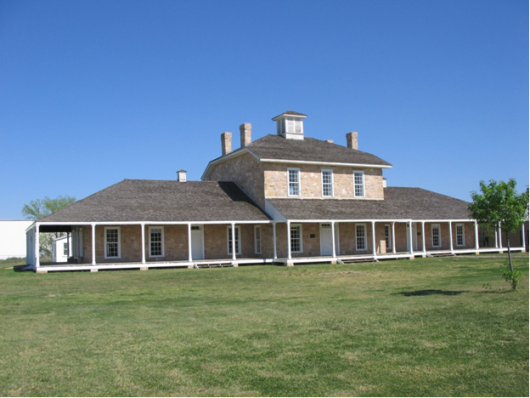

Reconstructed Hospital Building 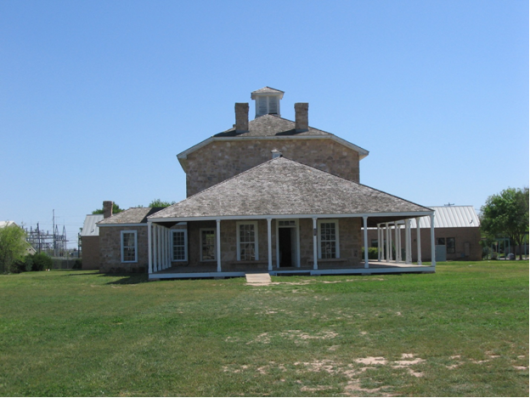
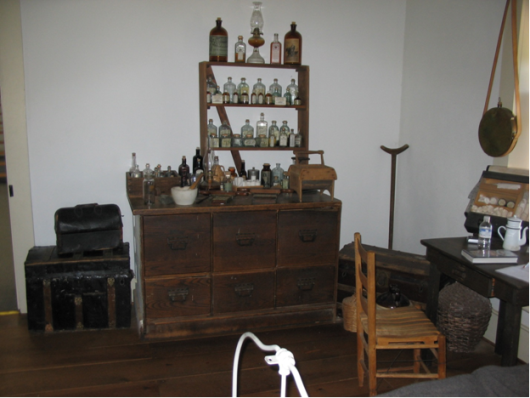


Doctor’s Room & Supplies 

Um, this one explains itself. 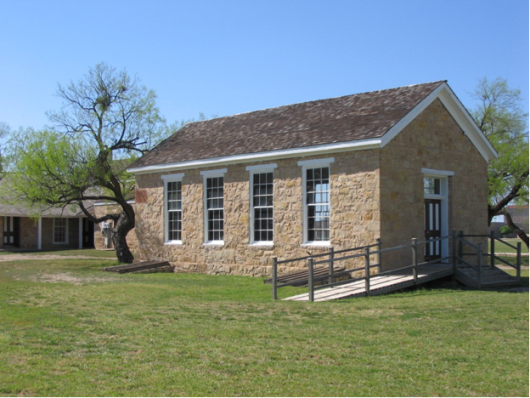

Mysterious Little Building 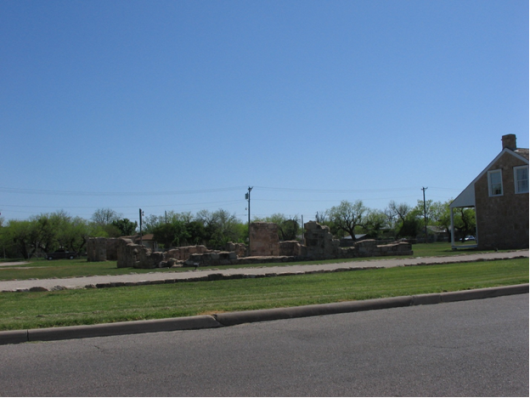

Ruins of Fallen Building The Kiowa and Comanche Indians were the most feared raiders on the southern plains. Subdued for the most part by the mid 1870s, by soldiers from Fort Concho and other posts, the tribes were confined to a reservation in t he Indian Territory.
Can romance blossom between a timid Irish colleen with a healing touch and a half-breed cowboy in a time when such a love drew violent hatred? Find out in Dearest Irish, recognized as a Reviewers Choice Award winner by the Paranormal Romance Guild.

Dearest Irish (Texas Devlins, Rose’s Story)http://www.amazon.com/dp/B00CK9LGA2 (Kindle) http://tinyurl.com/l64ctss (Nook)
 he Indian Territory.
Can romance blossom between a timid Irish colleen with a healing touch and a half-breed cowboy in a time when such a love drew violent hatred? Find out in Dearest Irish, recognized as a Reviewers Choice Award winner by the Paranormal Romance Guild.

Dearest Irish (Texas Devlins, Rose’s Story)http://www.amazon.com/dp/B00CK9LGA2 (Kindle) http://tinyurl.com/l64ctss (Nook)


