Showing posts with label Sweet Savage Love. Show all posts

Monday, August 28, 2017

WHO IS YOUR FAVORITE FICTIONAL CHARACTER THAT YOU'VE CREATED OR READ ABOUT? BY CHERYL PIERSON


What a great question! I came upon this one when I was answering a questionnaire for another blog and thought it would be a fantastic question to expand on all by itself. Because who among us—writers, readers, or both—DOESN’T have a favorite fictional character?
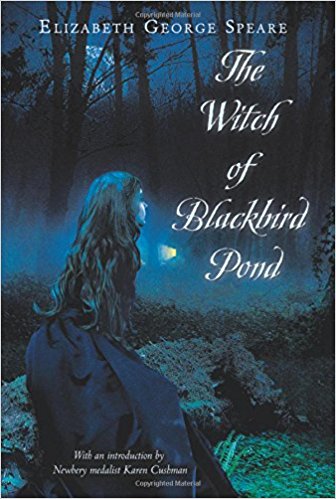
And it changes, doesn’t it? When I was a little girl, I remember being enthralled with stories of the Color Kittens, Pippi Longstocking, and finally Nancy Drew. Later, heroines such as Kit Tyler—Elizabeth George Speare’s unforgettable character in THE WITCH OF BLACKBIRD POND held my interest.

But I also loved the heroes, too—Hugh O’Donnell, THE FIGHTING PRINCE OF DONEGAL, and Robin Hood, fighting their way to freedom and justice for the people they served! And of course, I was a western lover even then. I was spellbound by Travis and Arliss, the brothers in Fred Gipson’s OLD YELLER, and the sequel, SAVAGE SAM.

Davy Crockett and Mike Fink were favorites, for a while, with books complete with pictures from the Disney series. I couldn’t find an image of the actual books I had, but I did find this one of the “stamp” book—which I also had!

GONE WITH THE WIND was my first “adult” book and I’d seen that movie, so I was enraptured by Scarlett O’Hara. Even at a young
age, the facets of her personality both on the screen and in the book fascinated me. How could she be “all” bad? She gave up so much to save her family…or did she? I still love to think about what a wonderful character Margaret Mitchell gave us to ponder.


The first romance book I ever read was SWEET SAVAGE LOVE by Rosemary Rogers. I can’t tell you how that book changed my life in so many ways. I had never read a book that made me feel as if I was right there in the main character’s skin like I did with Ginny, the heroine. As soon as I finished that book, I turned around and read it again, and it’s on my keeper shelf to this day.
The hero of that book, Steve Morgan, is as hard as they come. But there is a place in his heart for Ginny that no other can fill, and she feels the same for him. I read this book close to 40 years ago, and those characters are still memorable today.

As far as characters I’ve written…all writers know that is nearly an impossible choice. Of course, the first book you ever wrote probably contains your favorite character(s)—even if that wasn’t the first book you ever published! They are your first loves, the reason you started writing in the first place.

The first book an author publishes holds an unforgettable place in their hearts, as well. Those characters were the ones that people were able to read about, to relate to, and to give the author feedback on.

The current book is one that is full of hopes, dreams, and promise—just like the ones before. Will people love your characters as much as you do, or will it flop?

Then there are the books that are “experiments”—maybe shorter, longer, or a different genre. How did others like those characters…but moreover, how did YOU like the characters you created?

My favorite male character I’ve created is one that was the “star” of my first book—the one that has never seen the light of day. I still have hopes and plans to rework it and get it out there, but it’s LONNNNNG. But Johnny Brandon is a man’s man, and he’s going to have his vengeance no matter what. Still…there’s room for love—though he is an unwilling participant in the beginning. As always, things have a way of working out for the best, but he kept me on my toes the entire time I was working on that manuscript, and he’s utterly unforgettable.

Probably the couple that were “the odd couple” for me were U.S. Deputy Marshal Jaxson McCall and runaway debutante, Callie Buchanan in THE HALF-BREED’S WOMAN. Jax is hired “on the side” to go after Callie who has run away from her stepfather, a prominent socialite in Washington, D.C. She is headed west, into his familiar territory. He tracks her easily enough, but when he catches up with her, he realizes that his instincts were right—there’s something terribly wrong with her stepfather’s “worry” about her disappearance. Their relationship becomes something neither of them expected, and when Callie’s stepfather comes after them both, Jax realizes he’s got to pull out all the stops to keep Callie safe from the man who is evil to the core.

But Callie has lost so much in her life, she’s determined she’s not going to lose Jax—or her life. She surprised me several times, and I loved the way she grew as a character and found her own strength and bravery as time went by.
What’s your favorite fictional character you’ve read, or one you’ve created? Be sure to leave a comment to be entered in a drawing for a FREE DIGITAL COPY OF THE HALF-BREED’S WOMAN!


If you can't wait to see if you won, here's the buy link at AMAZON!
https://www.amazon.com/Half-Breeds-Woman-Cheryl-Pierson/dp/1496128966/ref=sr_1_1?ie=UTF8&qid=1503888273&sr=8-1&keywords=The+Half+Breed%27s+Woman


Here's an excerpt from THE HALF-BREED'S WOMAN:

The set up: U.S. Deputy Marshal Jaxson McCall has tracked down debutante Callie Buchanan in her flight across the country to get away from her powerful stepfather. Now, because of an overzealous cavalry commander, they have been forced to marry to save Callie’s reputation and Captain Tolbert’s military career from question. It’s their wedding night, but Jax is still uncertain that he’s the best thing for Callie—he wants her to have choices, not something forced on her. But Callie knows what she wants…in her heart, she will forever be THE HALF-BREED’S WOMAN…

Jesus. A king’s ransom in rubies. But more important, the love of the woman kneeling beside him, offering him, truly, the only valuable she had left. The only thing that stood between her and destitution. She was handing him her future, and he held it in his hands, glittering in the lamplight.

“Callie.” His voice was husky, rough, but infinitely tender. “You trust me so much, sweetheart? This is everything you own, isn’t it?”

As Callie lay her head beside him, Jax laced his hands through her hair, thoughtfully fingering the silken mass of burnished copper. She nodded, not answering.

“Think long and hard about what you’re saying, Callie. I’m…not your only choice. Once we’re out of here, we can get this marriage annulled—if you want—”

Her head came up swiftly. “Is that what you want, Jaxson? Truly? To walk away and pretend we never knew each other, never made love together—”

“Shh, no, baby, it’s not what I want.” He put a roughened finger against her lips.

“Then, what? Is it the idea of marriage itself that repels you—or marriage to me?”

“Dammit, Callie, you’re young, you’re beautiful—educated—”

“A fugitive.”

“We’ll get that set straight, sweetheart, and then your whole life will be open to all kinds of possibilities—not just marriage to a—a half-breed U.S. deputy marshal, for God’s sake!”

“I happen to be in love with a half-breed U.S. deputy marshal! One that I want to spend my life with! Remember, Jax? Remember? ‘Laugh with me, love with me, have babies with me—’ Remember?” She moistened her lips, her voice carrying the husky edge of tears, her emotions raw.

Roughly, with a muttered curse, he dropped the case on the bed and pulled her to him. He held her tightly as she scrambled to move herself away from him. He speared his fingers through her soft, tumbling hair, loving the feel of it against his fingertips and across the bare skin of his neck and shoulder.

“Jax! Stop it! I don’t want to hurt—”

“You aren’t going to hurt me, Callie. Not like you mean. Physical pain, I can deal with. Emotional pain, that’s a little harder.” He pulled her back against him, but she resisted, turning her head as he tried to kiss her. He shifted to his left side, throwing a bare leg across her, forcing her head around to look at him.

“Can I trust you, Callie?” His eyes were hot, burning into hers. “If I give you my heart, can I trust you?”

“Jax—” Callie murmured, stopping her thrashing at the hoarse, raw emotion in his voice, the intensity in his eyes. He held her arms tightly in his hands. “I will never, hurt you, Jaxson. Never.” Their lips were only a hairsbreadth apart, her voice a soft whisper, gliding across his skin. “I love you, Jax.” She moistened her lips. “I love y-”

His lips slanted across hers, cutting off the rest of her words. She opened her mouth for him, and his tongue entered her in a promise of what he planned to do to her body in a few short minutes. Boldly, she touched his tongue with hers, and his fingers tensed against her scalp. He had turned until his body almost completely covered hers, pinning her beneath him. Finally, he lifted his head. “I’ll never let you go, girl. That’s one thing you better know. If we make love tonight, you’re mine, Callie. Forever.”

Friday, April 28, 2017

Is Your Setting Another Character? by Cheryl Pierson


Location. Setting. Why is it so important to the stories we read and write? It seems obvious in some cases. In others, there could be a 'hidden' agenda. It can actually become another character.

Let's take a look, first, at the importance of setting to our genre, or sub-genre.
Fifty years ago, the choices were limited. Regencies and Westerns were prevalent sub-genres in the historical category, and mysteries and detective stories captivated the 'contemporary' nook. Science fiction was still relatively uncharted.
The setting of a novel was a definitive device, separating the genres as clearly as any other element of writing.

The glittering ballrooms and colorful gowns and jewels whisked historical romance readers away to faraway, exotic locales. Sagebrush, cactus, and danger awaited heroes of the western genre, a male- dominated readership.


But something odd happened as time went by. The lines blurred. Rosemary Rogers combined the romance of exotic places with the danger of an action plot, and an unforgettable hero in Steve Morgan that, had a man picked up 'Sweet Savage Love' and read it, he certainly could have identified with.


By the same token, the male-oriented scenery accompanied by the stiff, stylized form of western writers such as Owen Wister (The Virginian) and Zane Grey (Riders of the Purple Sage, The Last Trail) gave way to Louis L'Amour (Conagher, the Sackett series) and Jack Schaefer (Shane, Monte Walsh).

Why is the evolving change in description of location so important? In older writings, many times the location of a novel was just where the story happened to take place. Often, the plot of the story dictated the setting, rather than the two forming any kind of 'partnership.'

But with the stories that came along later, that partnership was strengthened, and in some cases, location became almost another character in the plot.

Take, for example, Louis L'Amour's 'Conagher.' As he describes the heroine's (Evie) dismal hopelessness at the land her husband (Jacob) has brought her to, we wonder how she will survive. Yet, Jacob has plans, sees the possibilities that Evie cannot, or will not see. The underlying message is, "The land is what we make of it."

As the story continues, she begins to appreciate the beauty of the prairie, while acknowledging the solitary loneliness of her existence. She plants a garden, nurturing the plants, and gradually she sees the farm being shaped into a good home from the ramshackle place she'd first laid eyes on.


The land is beautiful, but unforgiving. Her husband is killed in a freak accident, and for months she doesn't know what has happened to him. She faces the responsibility of raising his two children from a previous marriage alone.
In her loneliness, she begins to write notes describing her feelings and ties them to tumbleweeds. The wind scatters the notes and tumbleweeds across the prairie. Conagher, a loner, begins to wonder who could be writing them, and slowly comes to believe that whomever it is, these notes are meant for him.

At one point, visitors come from back East. One of them says to Evie something to the effect of "I don't know how you can stand it here."

This is Evie's response to her:
"I love it here," she said suddenly. "I think there is something here, something more than all you see and feel…it's in the wind.

"Oh, it is very hard!" she went on. "I miss women to talk to, I miss the things we had back East–the band concerts, the dances. The only time when we see anyone is like now, when the stage comes. But you do not know what music is until you have heard the wind in the cedars, or the far-off wind in the pines. Someday I am going to get on a horse and ride out there"–she pointed toward the wide grass before them–"until I can see the other side…if there is another side."

The land, at first her nemesis, has become not only a friend, but a soulmate. If that's not romance, I don't know what is.

In your writing projects, what importance do you give setting in your description, plot, even characterization? Within 40 pages of 'Conagher', we understand that the land, with all its wild beauty and dangers has become enmeshed in Evie's character. She can't leave it, and it will never leave her.

I'd love to hear from you about settings in stories that you've read or written that have played an important part.

Monday, January 28, 2013

Is Your Setting Another Character? by Cheryl Pierson


Location. Setting. Why is it so important to the stories we read and write? It seems obvious in some cases. In others, there could be a 'hidden' agenda. It can actually become another character.

Let's take a look, first, at the importance of setting to our genre, or sub-genre.
Fifty years ago, the choices were limited. Regencies and Westerns were prevalent sub-genres in the historical category, and mysteries and detective stories captivated the 'contemporary' nook. Science fiction was still relatively uncharted.
The setting of a novel was a definitive device, separating the genres as clearly as any other element of writing.

The glittering ballrooms and colorful gowns and jewels whisked historical romance readers away to faraway, exotic locales. Sagebrush, cactus, and danger awaited heroes of the western genre, a male- dominated readership.


But something odd happened as time went by. The lines blurred. Rosemary Rogers combined the romance of exotic places with the danger of an action plot, and an unforgettable hero in Steve Morgan that, had a man picked up 'Sweet Savage Love' and read it, he certainly could have identified with.


By the same token, the male-oriented scenery accompanied by the stiff, stylized form of western writers such as Owen Wister (The Virginian) and Zane Grey (Riders of the Purple Sage, The Last Trail) gave way to Louis L'Amour (Conagher, the Sackett series) and Jack Schaefer (Shane, Monte Walsh).

Why is the evolving change in description of location so important? In older writings, many times the location of a novel was just where the story happened to take place. Often, the plot of the story dictated the setting, rather than the two forming any kind of 'partnership.'

But with the stories that came along later, that partnership was strengthened, and in some cases, location became almost another character in the plot.

Take, for example, Louis L'Amour's 'Conagher.' As he describes the heroine's (Evie) dismal hopelessness at the land her husband (Jacob) has brought her to, we wonder how she will survive. Yet, Jacob has plans, sees the possibilities that Evie cannot, or will not see. The underlying message is, "The land is what we make of it."

As the story continues, she begins to appreciate the beauty of the prairie, while acknowledging the solitary loneliness of her existence. She plants a garden, nurturing the plants, and gradually she sees the farm being shaped into a good home from the ramshackle place she'd first laid eyes on.


The land is beautiful, but unforgiving. Her husband is killed in a freak accident, and for months she doesn't know what has happened to him. She faces the responsibility of raising his two children from a previous marriage alone.
In her loneliness, she begins to write notes describing her feelings and ties them to tumbleweeds. The wind scatters the notes and tumbleweeds across the prairie. Conagher, a loner, begins to wonder who could be writing them, and slowly comes to believe that whomever it is, these notes are meant for him.

At one point, visitors come from back East. One of them says to Evie something to the effect of "I don't know how you can stand it here."

This is Evie's response to her:
"I love it here," she said suddenly. "I think there is something here, something more than all you see and feel…it's in the wind.

"Oh, it is very hard!" she went on. "I miss women to talk to, I miss the things we had back East–the band concerts, the dances. The only time when we see anyone is like now, when the stage comes. But you do not know what music is until you have heard the wind in the cedars, or the far-off wind in the pines. Someday I am going to get on a horse and ride out there"–she pointed toward the wide grass before them–"until I can see the other side…if there is another side."

The land, at first her nemesis, has become not only a friend, but a soulmate. If that's not romance, I don't know what is.

In your writing projects, what importance do you give setting in your description, plot, even characterization? Within 40 pages of 'Conagher', we understand that the land, with all its wild beauty and dangers has become enmeshed in Evie's character. She can't leave it, and it will never leave her.

I'd love to hear from you about settings in stories that you've read or written that have played an important part.